Gifted vs Paid Collaborations: When to Say Yes (And How to Pivot)

Paul Osas
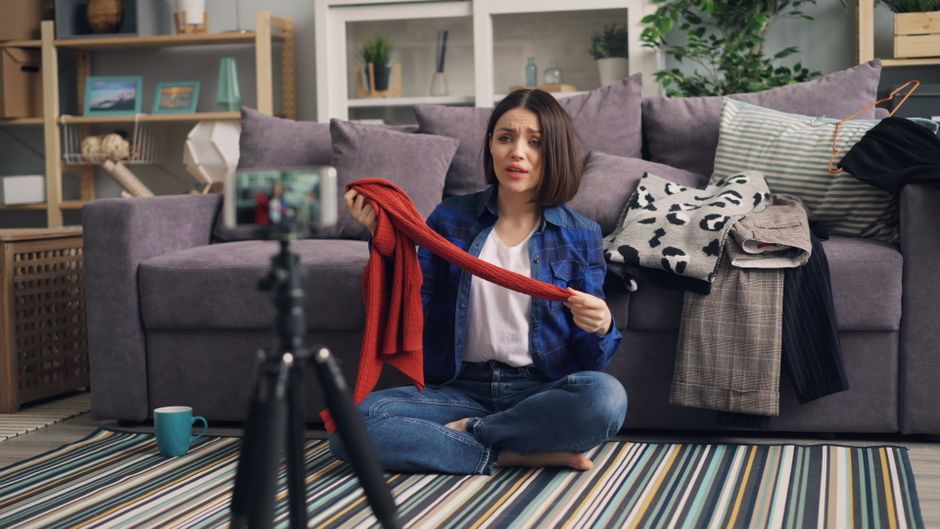
You open your inbox, and there it is. A brand you absolutely love wants to send you their newest product.
The catch? They aren’t offering a budget.
Are you tired of working for free products that don't pay the rent? Do you wonder if accepting gifted deals is secretly hurting your chances of getting paid? Or are you scared that saying no will burn a bridge with your dream brand forever?
Navigating the world of brand deals doesn't have to be a guessing game.
You just need a framework for making smart business decisions.
By the end of this, you’ll be able to:
- Identify exactly when a gifted collaboration is actually worth your time.
- Spot the glaring red flags that mean you should run the other way.
- Confidently pivot a "free product" offer into a paid contract using proven scripts.
Step 1: Understand the True Cost of "Free"
Let’s get real for a second.
Creating high-converting content is a job.
You have to write a script, set up your lighting, film multiple takes, edit the footage, and engage with your audience.
When a brand offers you a $40 face serum in exchange for a dedicated TikTok video, you aren't just getting "free" skincare.
You are trading your time, your expensive equipment, and your audience's trust for a physical item that won't pay your internet bill.
According to data from Influencer Marketing Hub, the creator economy is now worth over $250 billion. Brands have massive marketing budgets. They pay for Facebook ads, billboards, and graphic designers. Your content is a marketing asset, and it has real financial value.
So how do you do it? How do you separate a good opportunity from an exploitative one?
You start by calculating your baseline costs. If you don't know what your time is worth, you will always default to working for free.
Before you accept another PR box, take a moment to figure out exactly how UGC creators get paid and set a minimum baseline for your creative effort.
Step 2: When to Say YES to Gifted Collaborations
Gifted collaborations aren't inherently evil. In fact, they are a fantastic launchpad if you use them strategically.
The secret is to view them as an investment in your business, not as a final destination. Here are the specific times when saying "yes" to gifted vs paid collaborations makes complete sense:
1. You Are Building Your Portfolio. If you are just starting, you need a proof of concept. Brands will rarely pay a creator who doesn't have a track record of creating high-quality, engaging videos.
Accepting a gifted campaign gives you physical products to shoot with. You can use these videos to build a media kit that brands can't ignore. Think of this as your unpaid internship phase—keep it short, get your portfolio pieces, and move on.
2. It’s a High-Ticket Item. Not all gifts are created equal. A $15 lip gloss is very different from a $2,500 mattress, a luxury espresso machine, or an all-inclusive hotel stay.
If a brand is offering a product or service that you were already planning to buy, or something that drastically improves your quality of life, the "barter" system is a fair trade.
3. The "Foot in the Door" Strategy. Sometimes, you just want to get on a massive brand's radar. If your absolute dream brand reaches out with a PR package, saying yes is a smart networking move.
The goal here isn't the free product. The goal is to over-deliver on the content, wow the marketing manager, and use that success to pitch a long-term paid retainer down the line.
Step 3: When to Say NO to Gifted (and Ask for Cash)

This is where many talented creators get trapped. You start accepting free products, and suddenly, you are working 40 hours a week for a mountain of cardboard boxes.
You must draw a line in the sand. Say no (or ask for a budget) when:
1. The Brief is Demanding. If a brand sends you a "gift" but attaches a three-page PDF detailing exact talking points, three required hooks, and a 48-hour turnaround time, that is not a gift. That is a job.
Gifts come with zero expectations. If they have strict requirements, they need to pay your production fee.
2. They Want Unlimited Usage Rights. This is the biggest red flag in the creator industry. A brand sends you a free pair of leggings, but the contract states they can use your video for paid Facebook and Instagram ads "in perpetuity" (forever).
Absolutely not.
When a brand runs ads with your face on them, they are making thousands of dollars in profit. You deserve a cut of that value. Always read up on the ultimate pricing and licensing guide before handing over your commercial rights for a freebie.
3. You Have the Data to Prove Your Worth. If your last three videos generated thousands of views, high engagement, and actual sales for a brand, your internship phase is over.
Once you have a proven track record, you must transition away from gift deals. Your time is now too valuable to trade for inventory.
Step 4: The Pivot (How to Turn a Gift into a Check)
So, what happens when a brand reaches out offering a free product, but you know you deserve to be paid?
You don't ignore the email, and you don't send an angry reply. You gracefully pivot. Knowing how to turn gifted collaborations into paid partnerships is the most lucrative skill you can learn as a creator.
Here is a real-life script you can use to flip the script:
"Hi [Name],
Thank you so much for thinking of me! I absolutely love [Brand Name] and have been using your [Specific Product] for months.
I am currently limiting my gifted collaborations to ensure I have the bandwidth to deliver high-quality content for my paid partners. However, I would love to work together.
My dedicated video packages start at $X, which includes X months of digital usage rights. I've attached my media kit showing how I recently drove a 4% conversion rate for [Similar Brand].
Do you have a budget allocated for influencer marketing this quarter? I'd love to put together some custom concepts for you."
This works because it is polite, it shows genuine interest, it establishes your professional boundaries, and it immediately proves your value.
If they say no, you haven't lost anything. If they say yes, you just secured the bag.
Step 5: Protect Yourself Ethically and Legally
Whether a collaboration is gifted or paid, the rules of the internet still apply.
The Federal Trade Commission (FTC) is very clear: if you receive anything of value (even a free $5 coffee) in exchange for a post, you must disclose it clearly and conspicuously.
Always use #ad or #gifted In your captions. Transparency doesn't hurt your engagement; it actually builds deeper trust with your audience. Furthermore, never shoot content without a clear agreement in place. Make sure you are familiar with negotiating influencer contracts so you don't accidentally sign away your likeness.
Make Your Next Move
The gifted vs paid collaborations debate comes down to one thing: strategy.
Every time a brand lands in your inbox, ask yourself: Does this serve my business goals right now?
If it builds your portfolio, gets you in the door with a dream brand, or provides immense personal value, say yes. If it drains your time, demands commercial rights, and pays you in "exposure," it's time to confidently send your rate card.
Stop waiting for brands to hand you exactly what you want. Take control of your outreach. If you want to connect directly with brands that have marketing budgets, learning how to pitch brands as an influencer is your next step.
Get your media kit ready, find your dream brands on PitchBrand, and start sending those pitches. You are ready for this.